Have a good read.
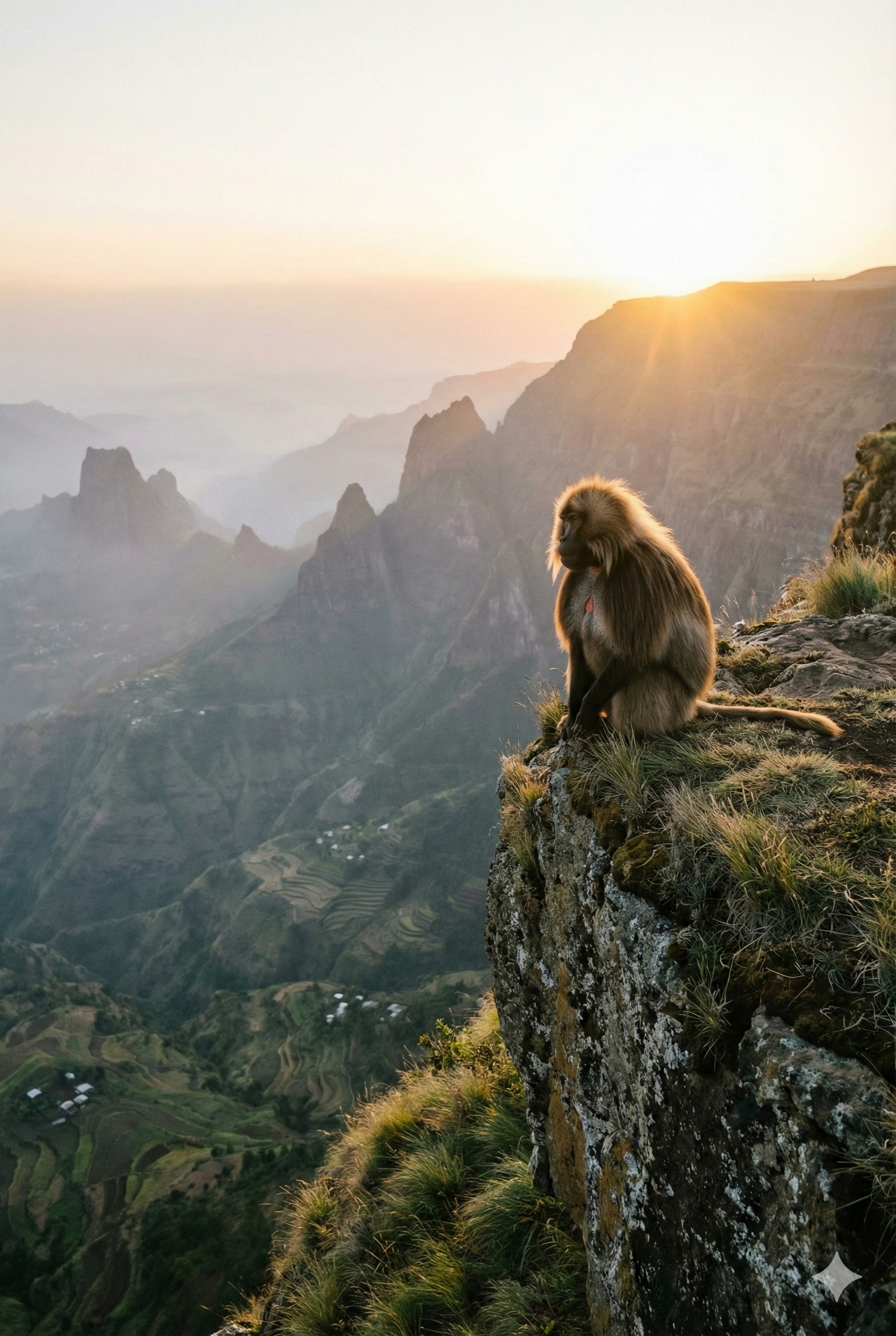
Simien Mountains National Park
The Simien Mountains are often described as Africa’s rooftop, and for good reason. Jagged peaks, sheer cliffs, and deep valleys create one of the continent’s most dramatic landscapes. Home to unique wildlife like the Gelada baboon and the Ethiopian wolf, the park offers breathtaking hiking routes and panoramic views that feel almost unreal.
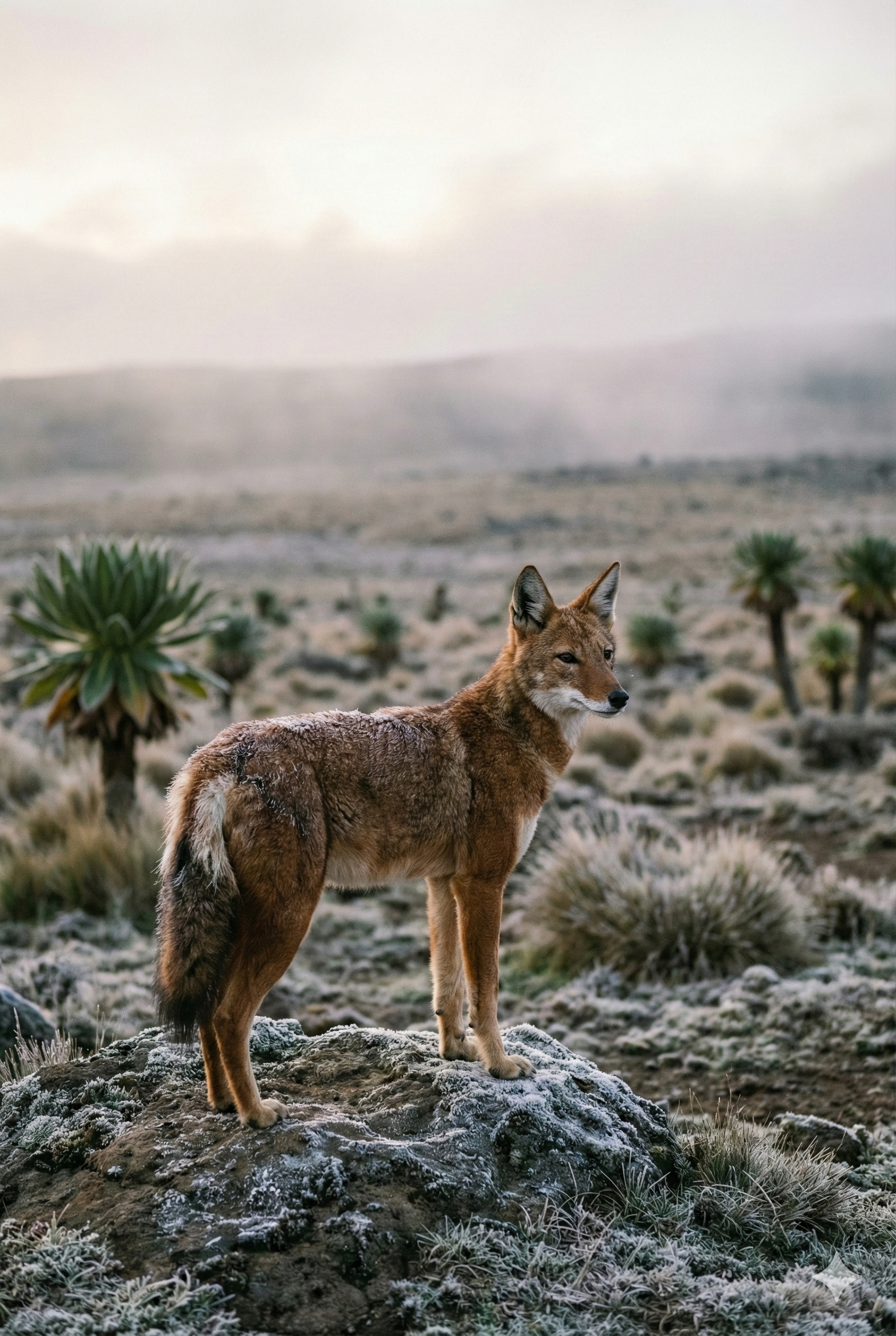
Bale Mountains National Park
Bale Mountains National Park is a haven of biodiversity and high-altitude beauty. From the Afro-alpine Sanetti Plateau to misty forests below, the park hosts rare species found nowhere else on Earth. Visitors are often rewarded with sightings of the Ethiopian wolf roaming freely across vast open plains.
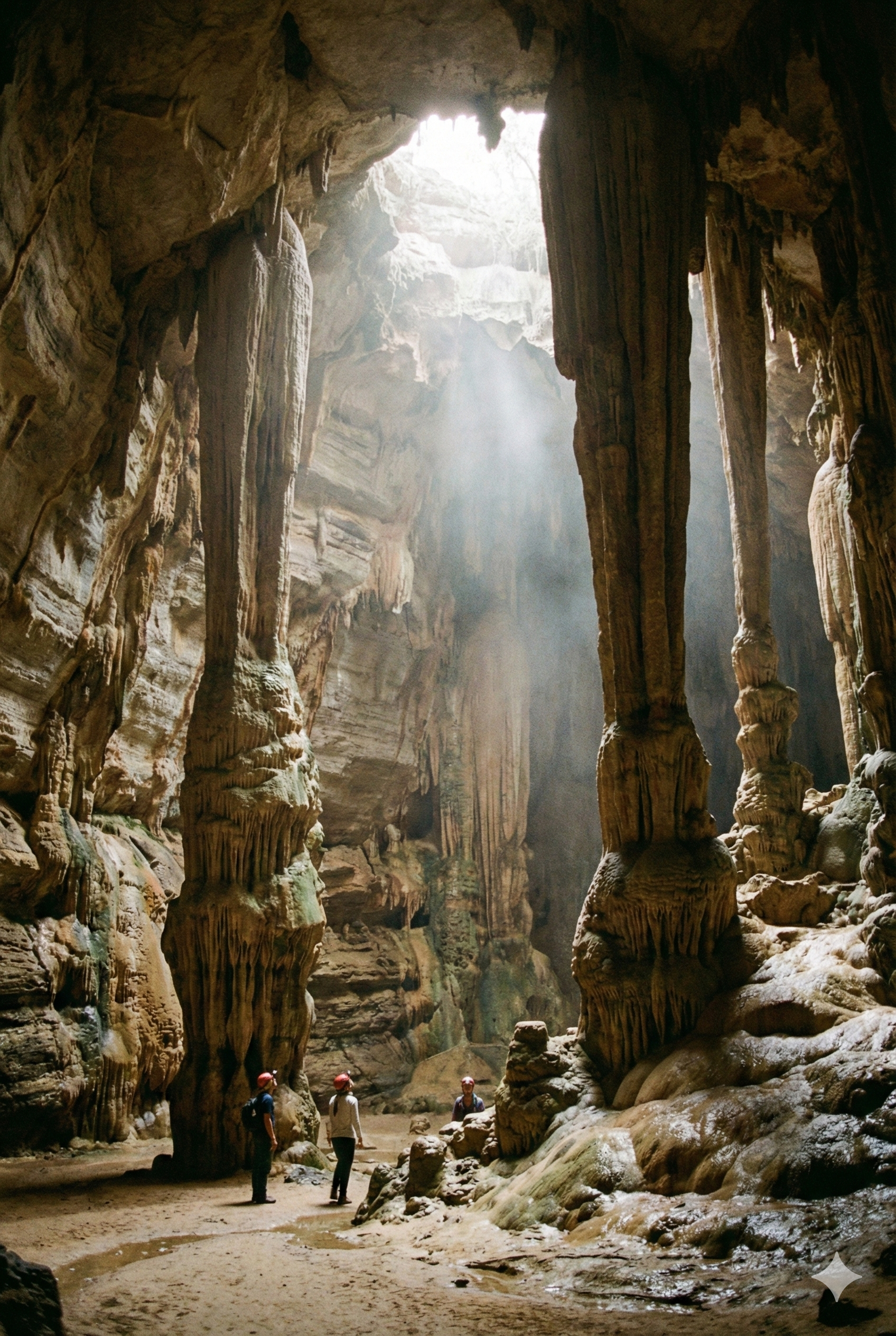
Sof Omar Caves
Sof Omar is one of Africa’s longest and most impressive cave systems. Sculpted by the Web River over millions of years, the caves feature towering chambers, winding tunnels, and natural stone pillars. Beyond their geological wonder, they also hold deep cultural and spiritual significance for local communities.
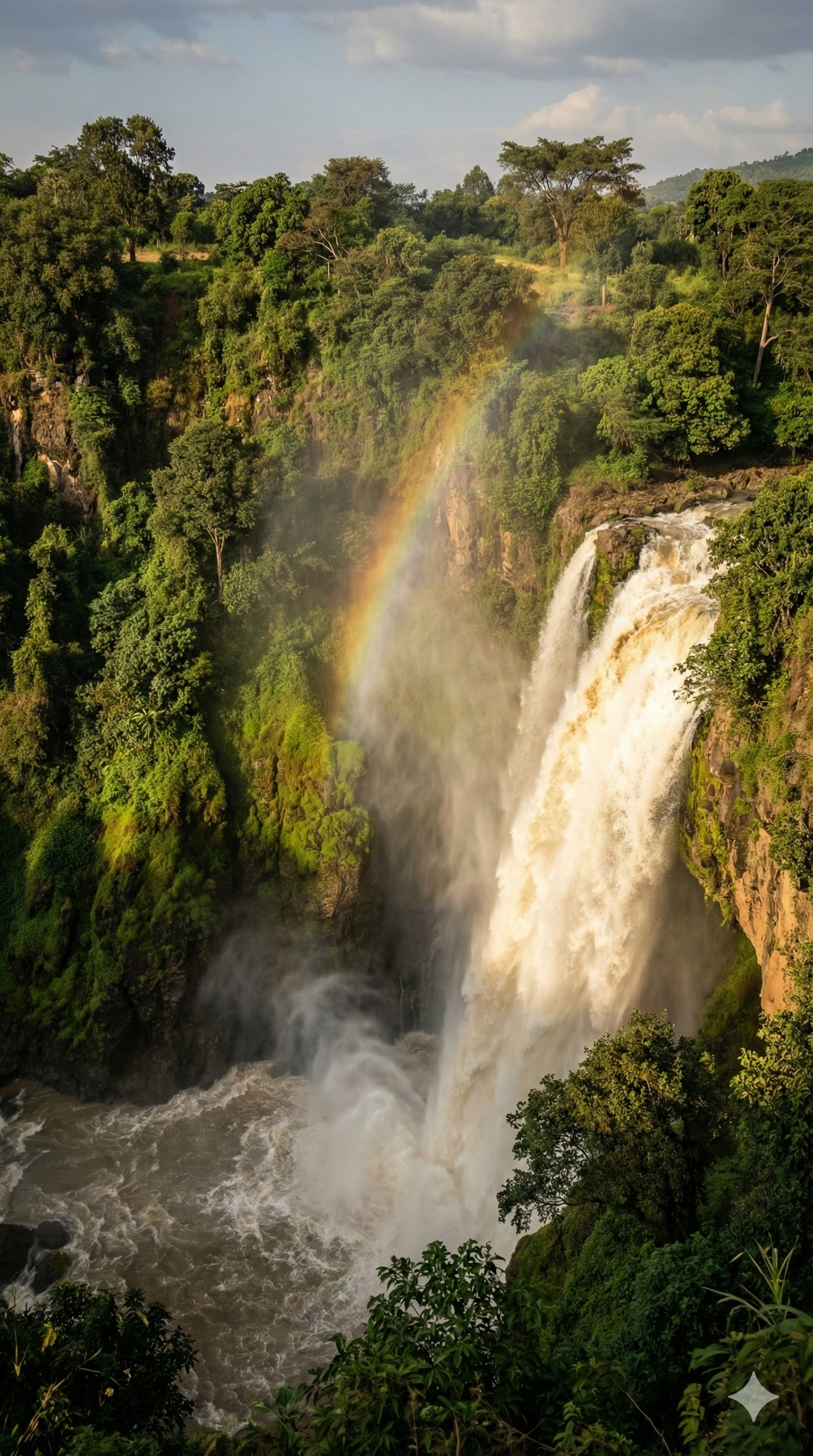
Blue Nile Falls
Known locally as Tis Issat, meaning “Smoking Water,” the Blue Nile Falls are among Ethiopia’s most iconic natural attractions. During the rainy season, the thunderous cascade sends mist high into the air, creating rainbows and a powerful sense of nature’s raw energy.
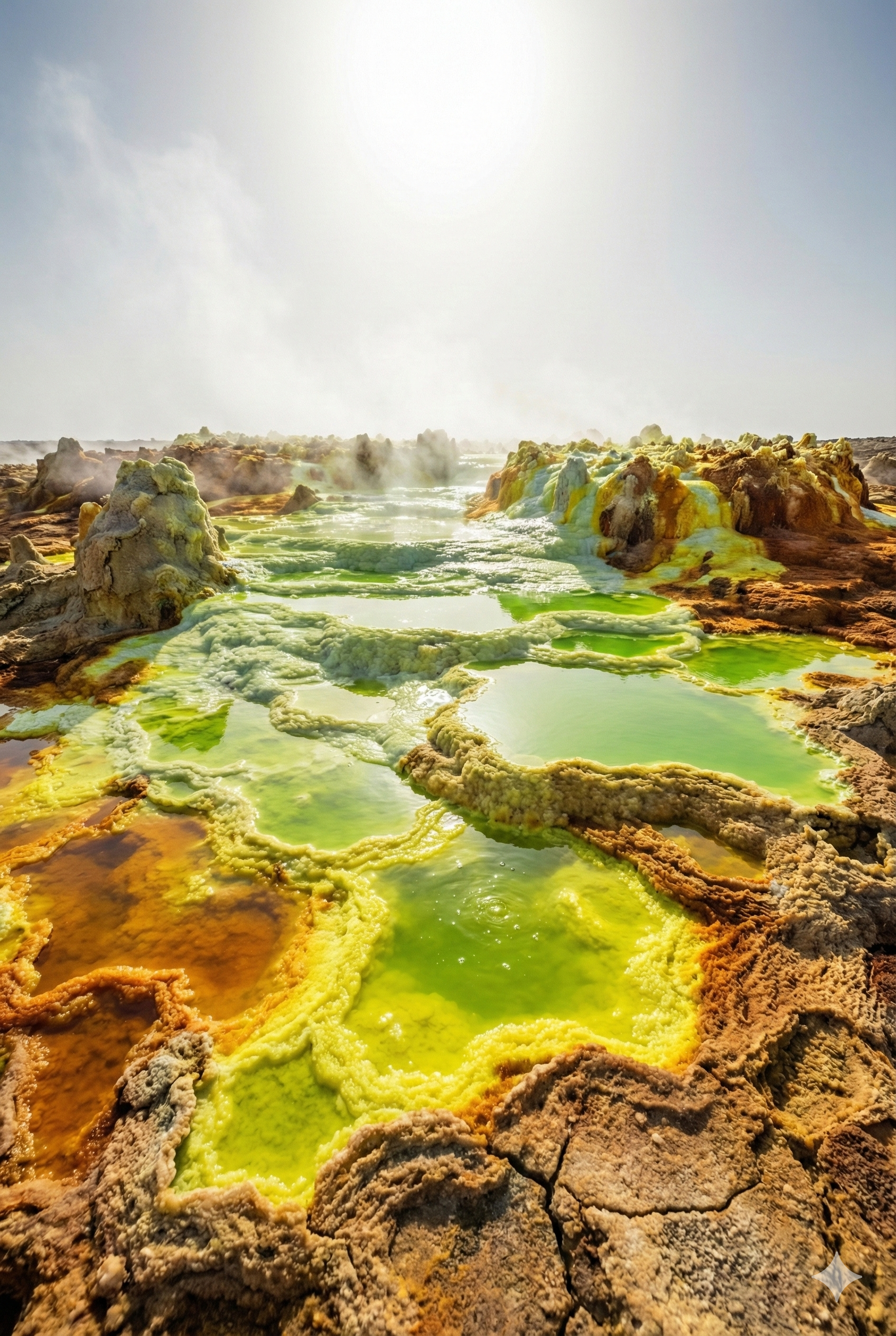
Danakil Depression
The Danakil Depression is one of the hottest and lowest places on Earth. Its vivid mineral pools, active volcanoes, and salt flats create an otherworldly landscape unlike anywhere else. Visiting Danakil feels like stepping onto another planet, shaped by extreme heat and geological forces.
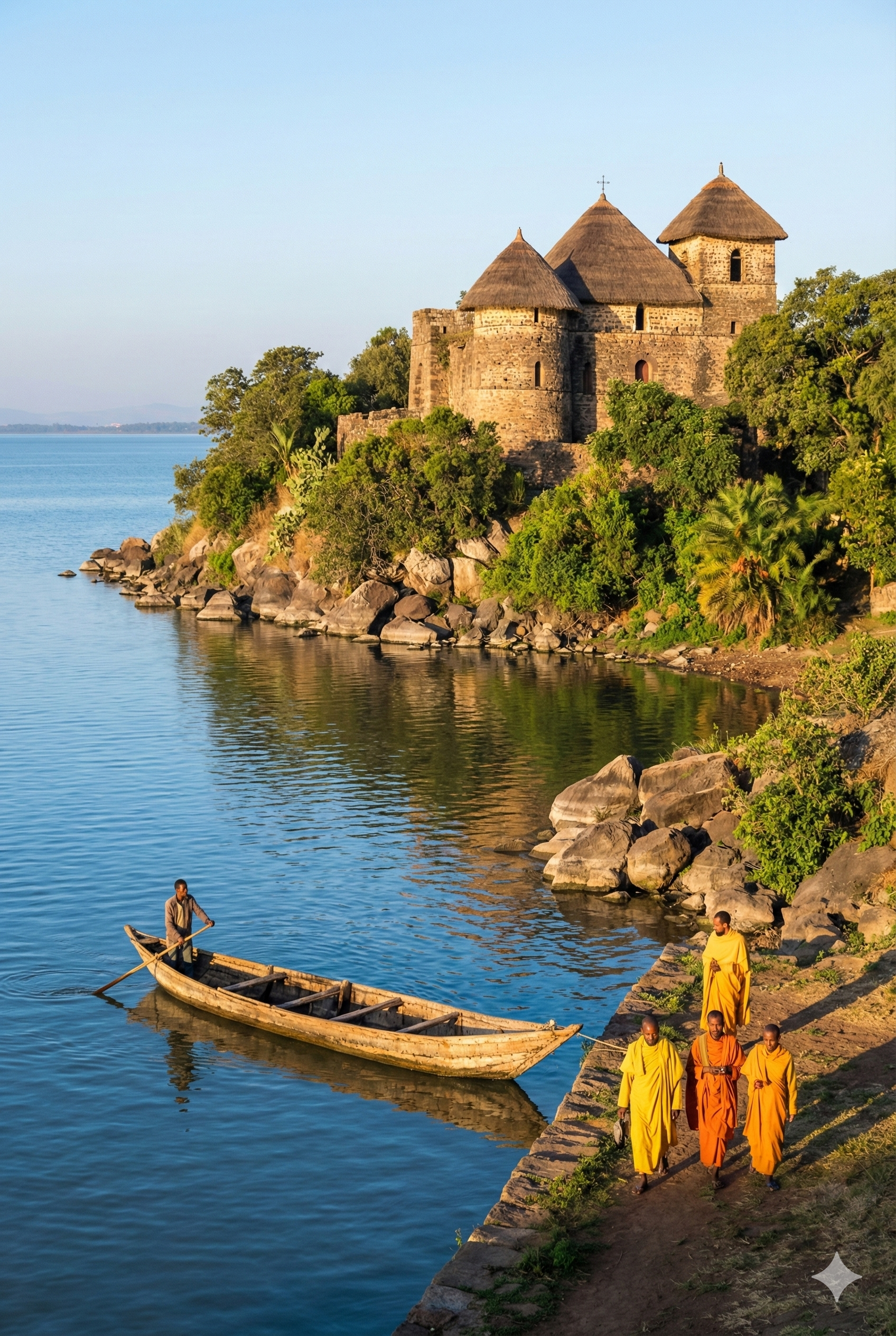
Lake Tana
Lake Tana, Ethiopia’s largest lake, is the source of the Blue Nile and a cradle of ancient history. Scattered across its islands are centuries-old monasteries housing priceless manuscripts and religious art. The calm waters and spiritual atmosphere make it a deeply peaceful destination.
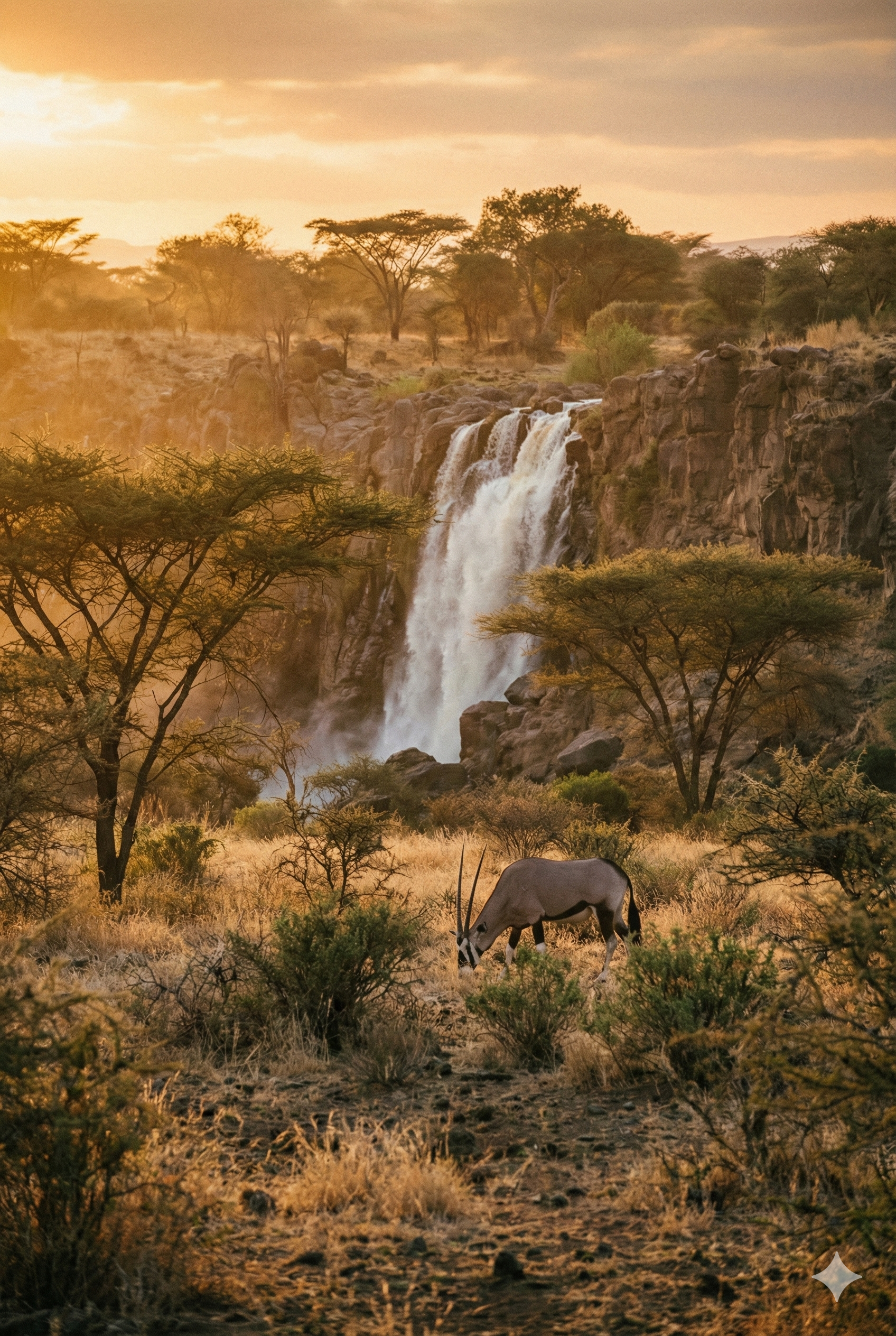
Awash National Park
Awash National Park showcases Ethiopia’s savannah landscapes, volcanic formations, and abundant wildlife. The Awash River cuts through the park, forming scenic waterfalls and hot springs. It is one of the best places to experience Ethiopia’s wildlife without traveling far from the capital.

Lake Chamo and the Crocodile Market
Lake Chamo is famous for hosting some of Africa’s largest Nile crocodiles. Along the shoreline, dozens of massive reptiles bask in the sun, creating a dramatic and unforgettable sight. The lake is also rich in birdlife and stunning lakeside scenery.
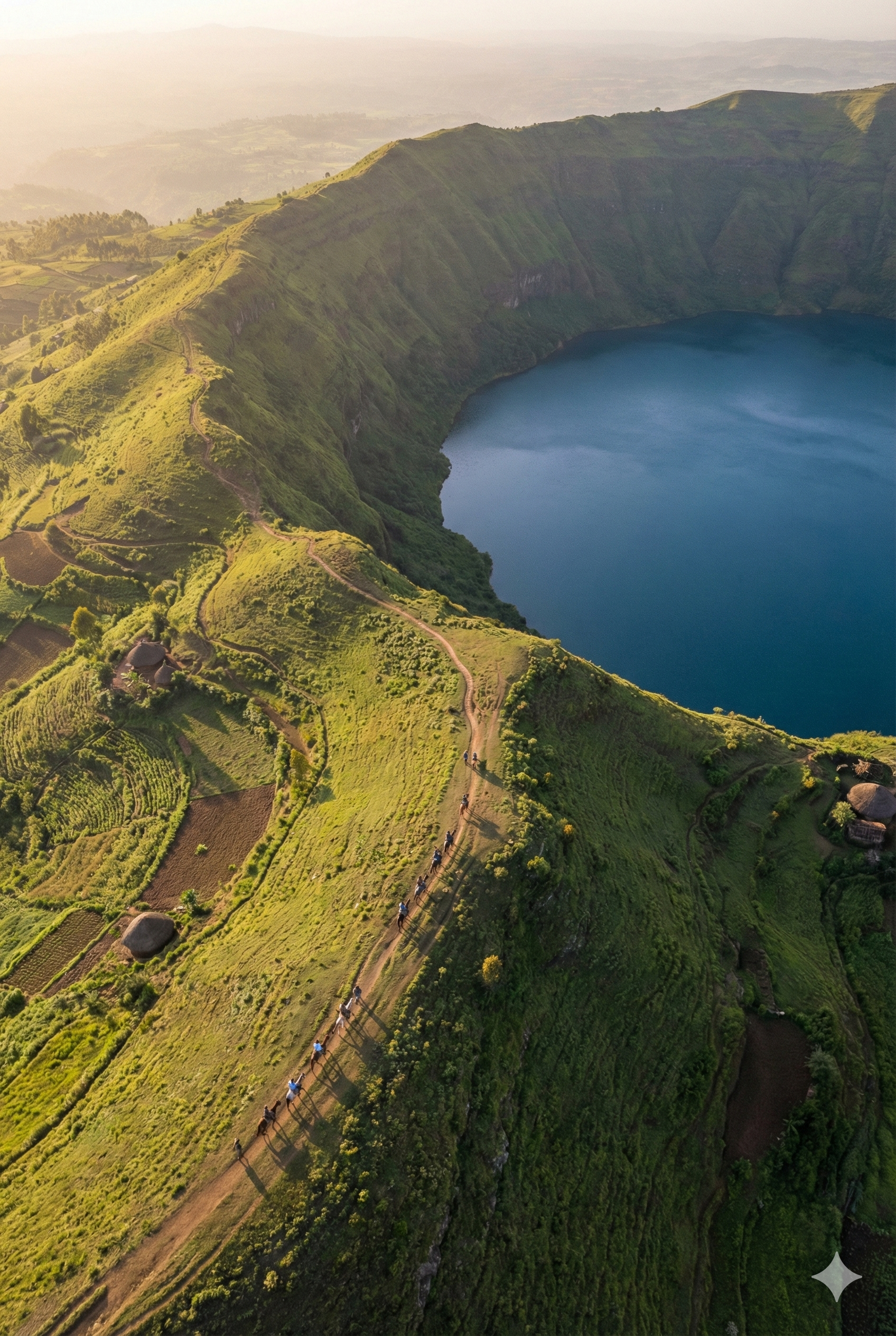
Wenchi Crater Lake
Wenchi is a serene volcanic crater lake nestled in the Ethiopian highlands. Surrounded by lush green slopes, the lake features small islands, monasteries, and traditional farms. It’s a perfect escape for nature lovers seeking tranquility and scenic beauty.
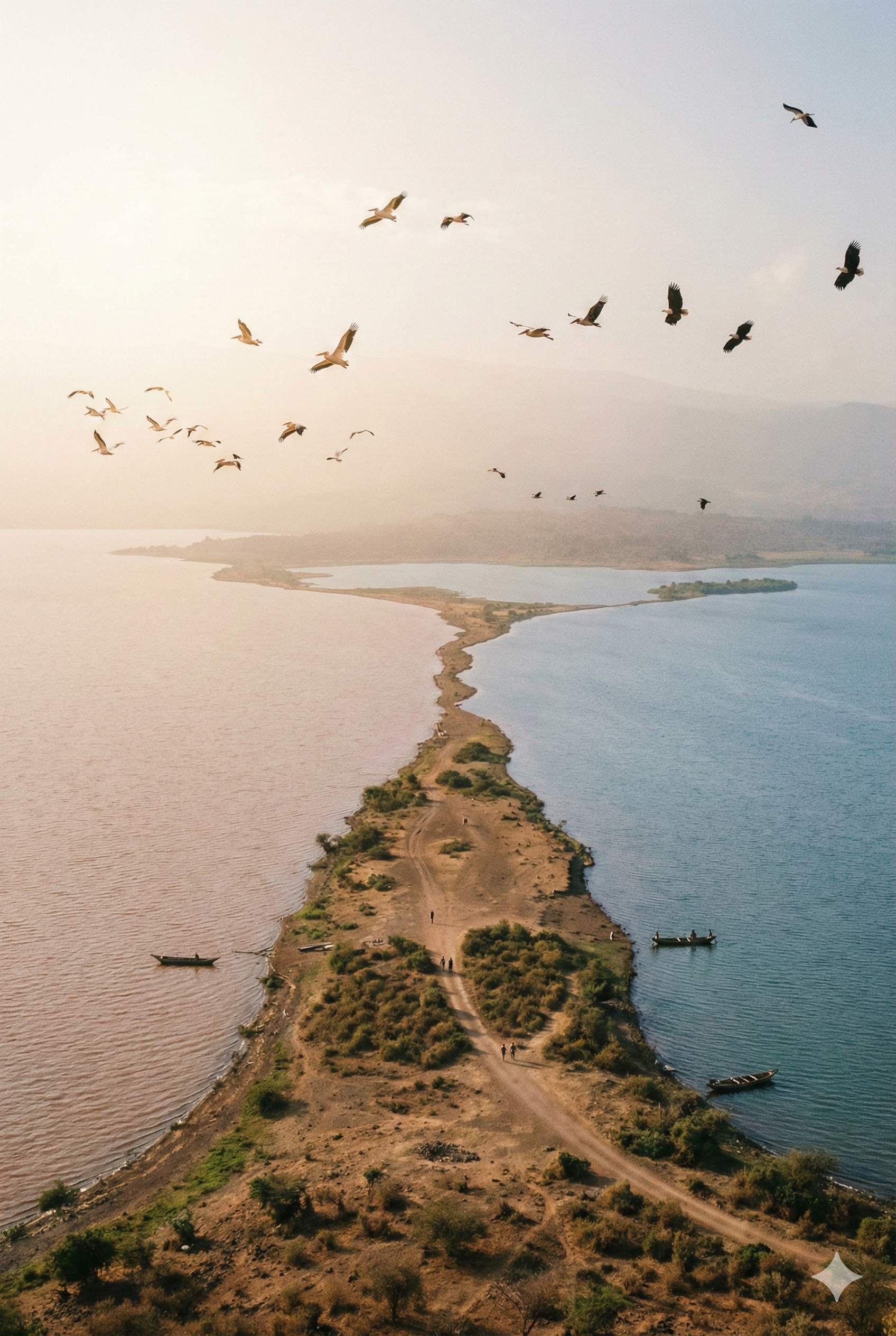
Nech Sar National Park (Bridge of God)
Nech Sar National Park lies between Lake Abaya and Lake Chamo, connected by a narrow strip of land known as the “Bridge of God.” The park offers sweeping views, open grasslands, and wildlife such as zebras and gazelles, making it a unique blend of water and savannah.
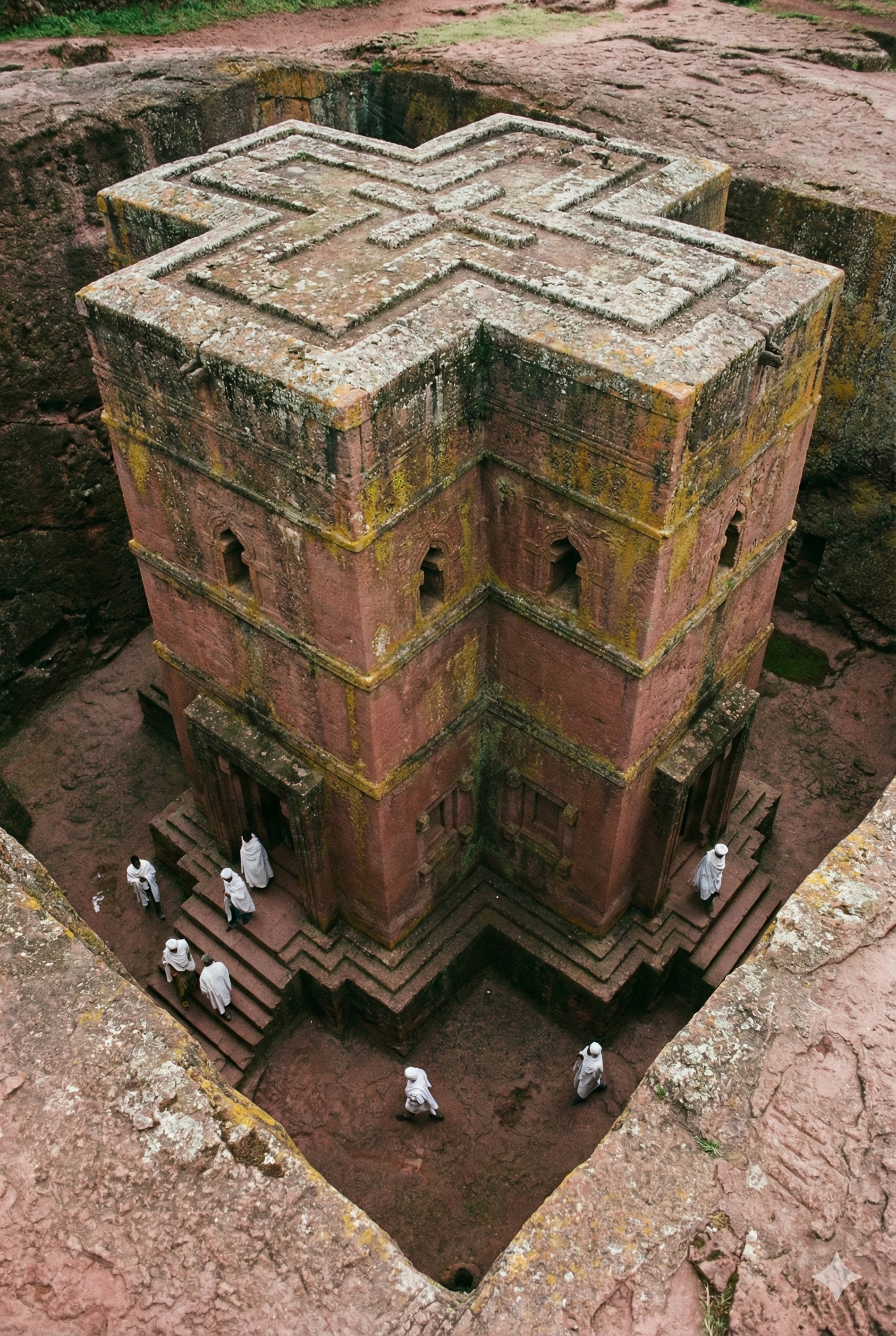
Lalibela Rock-Hewn Churches
Lalibela is one of Ethiopia’s greatest cultural treasures. Its 11 rock-hewn churches were carved directly from solid volcanic rock in the 12th century. Still active places of worship today, they stand as a testament to faith, engineering, and devotion.

Aksum Obelisks
The ancient city of Aksum was once the center of a powerful civilization. Its towering stone obelisks, some over 1,700 years old, mark royal tombs and ceremonial sites. Aksum remains a cornerstone of Ethiopian history and identity.
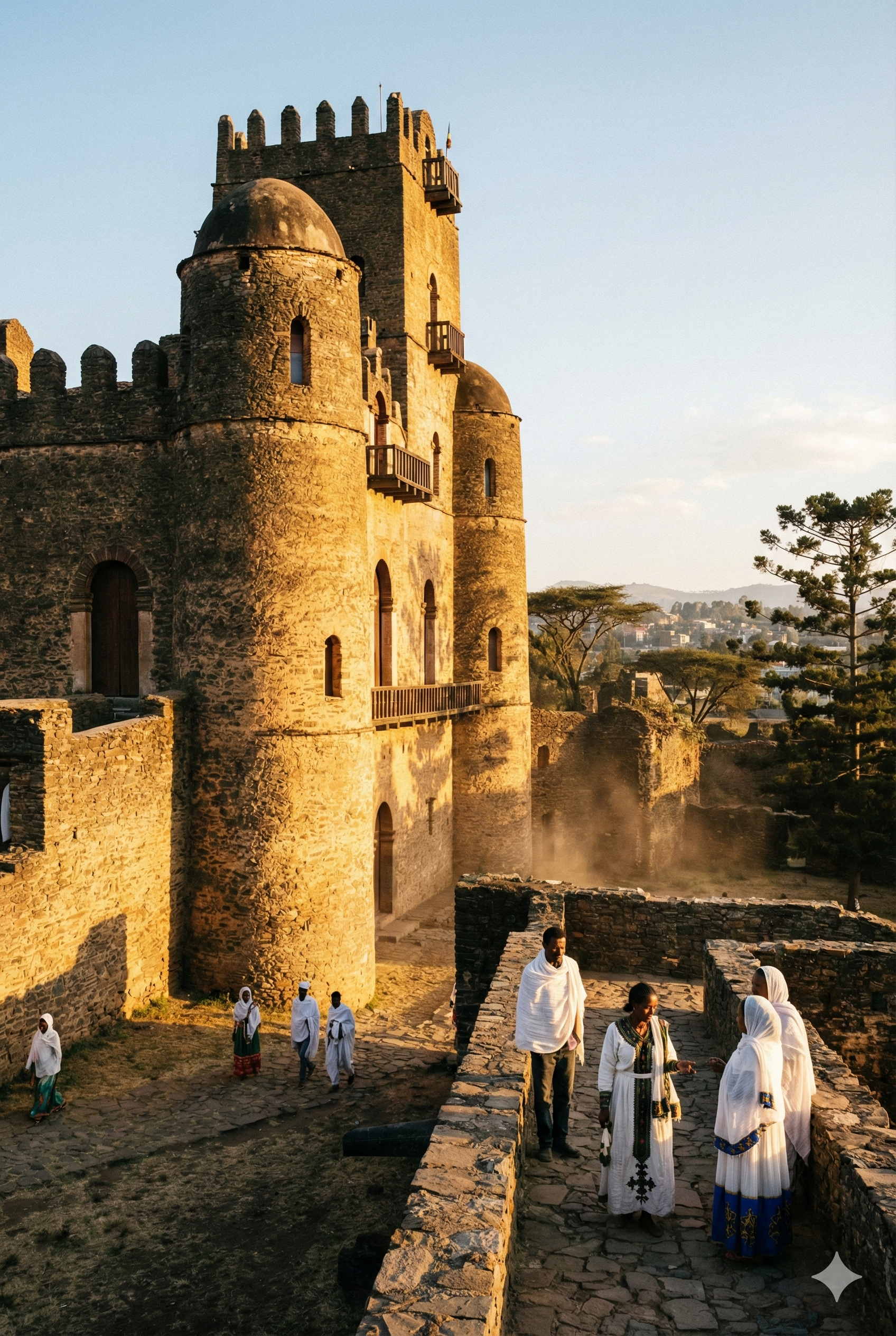
Fasil Ghebbi (Gondar Castles)
Often called the “Camelot of Africa,” Fasil Ghebbi is a royal enclosure filled with castles and palaces built in the 17th century. The architecture blends Ethiopian, Portuguese, and Indian influences, offering a rare glimpse into Ethiopia’s imperial past.

Harar Jugol
Harar Jugol is a walled city known for its vibrant culture and deep Islamic heritage. Its narrow alleys, colorful homes, and bustling markets create a living museum. Harar is also famous for its unique coexistence between humans and hyenas.
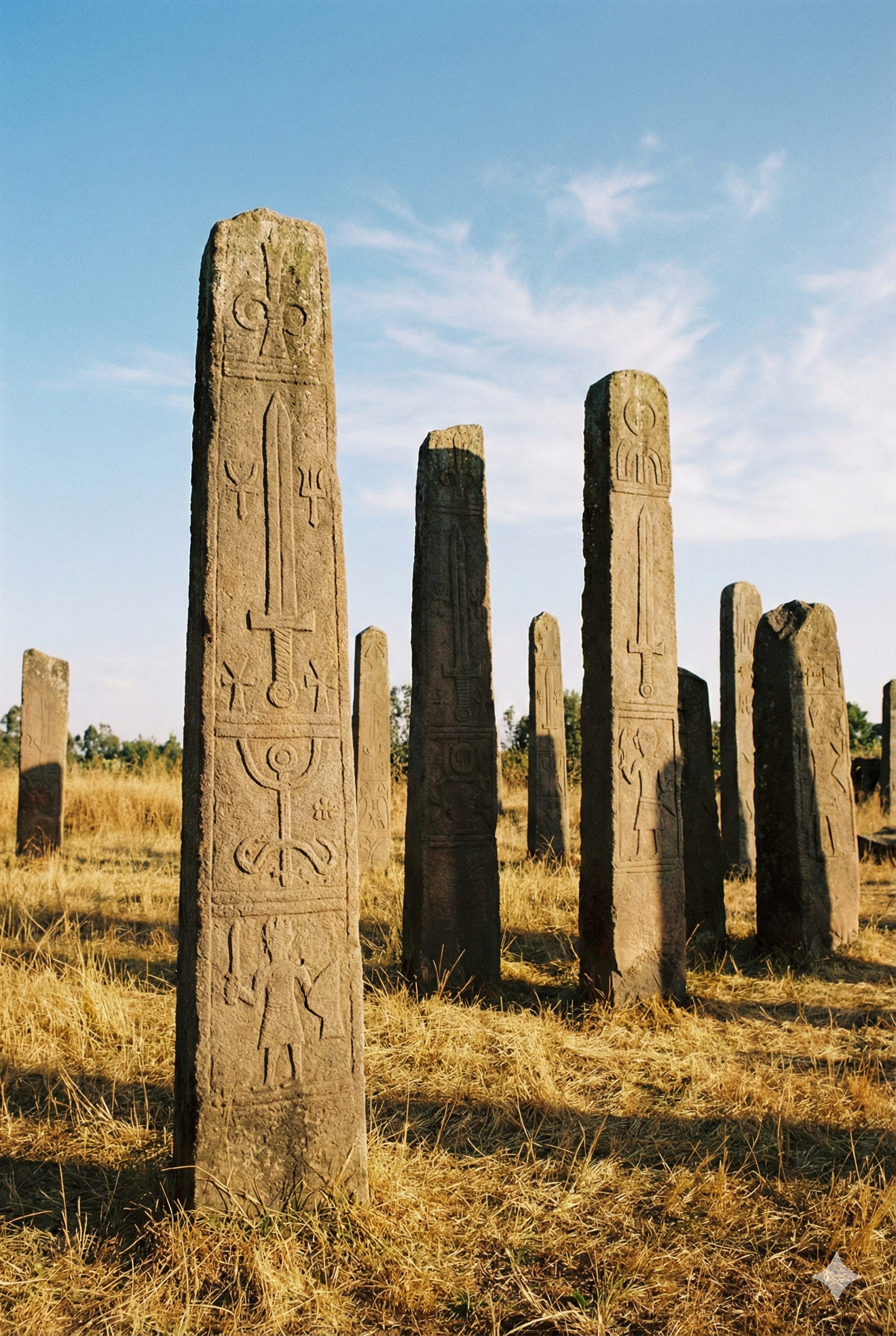
Tiya Stelae Field
The Tiya Stelae are mysterious stone monuments carved with symbolic engravings. Their exact purpose remains unknown, adding an air of intrigue to the site. Recognized as a UNESCO World Heritage Site, Tiya offers insight into Ethiopia’s ancient civilizations.
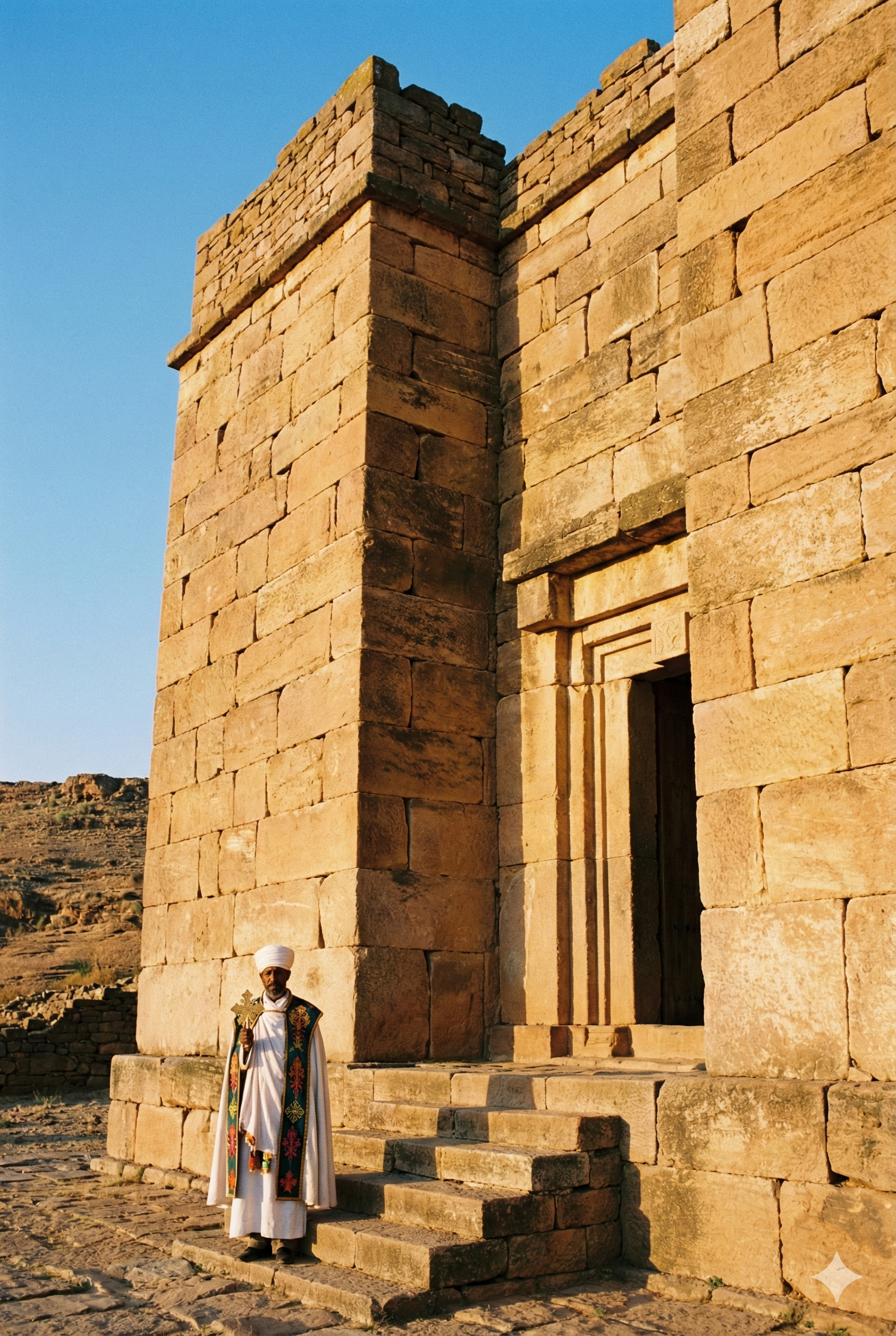
Yeha Temple
The Temple of Yeha is one of Ethiopia’s oldest standing structures, dating back more than 2,500 years. Built from massive stone blocks without mortar, it highlights advanced ancient engineering and the deep historical roots of the region.
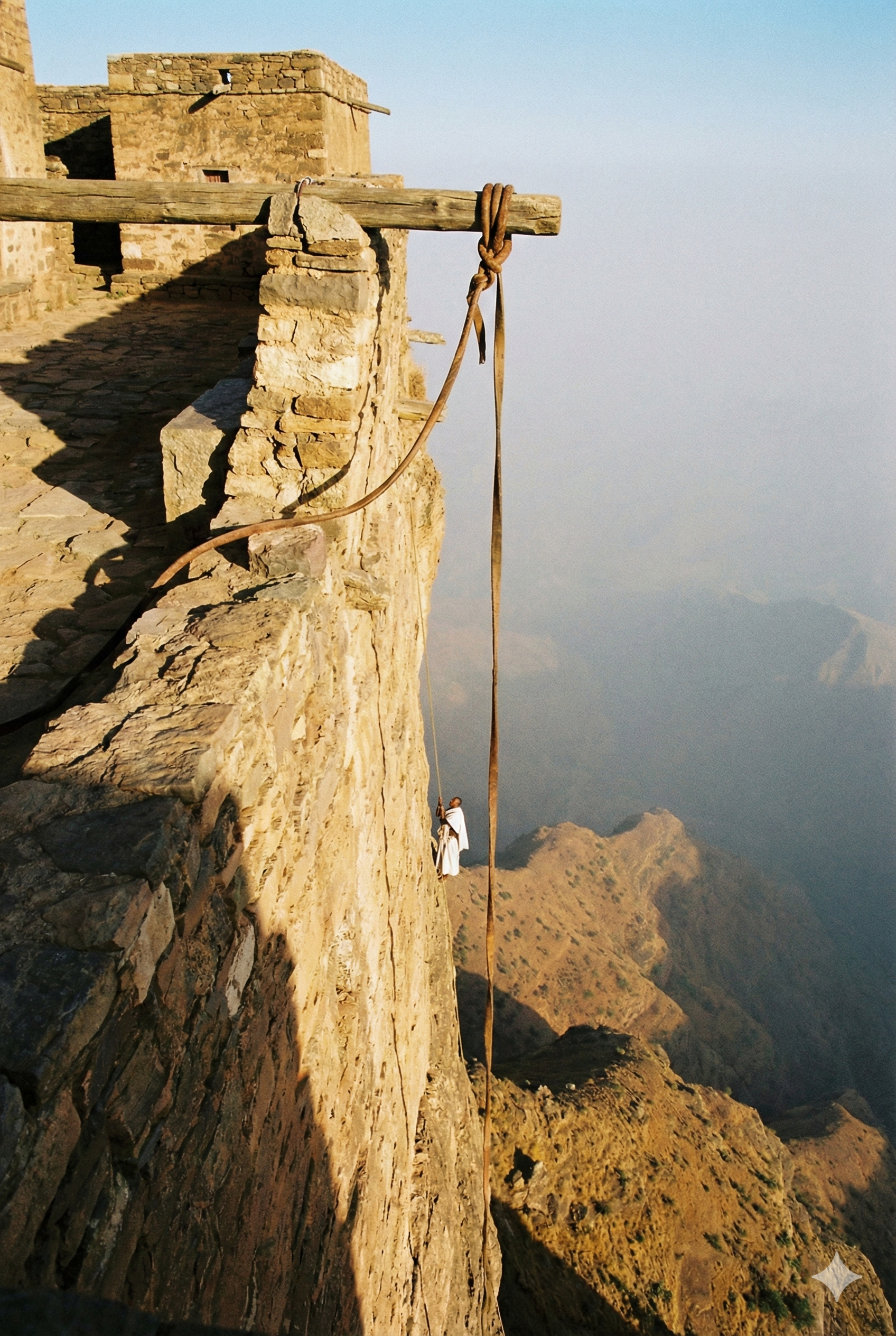
Debre Damo Monastery
Debre Damo is one of Ethiopia’s oldest monasteries, dramatically perched atop a flat-topped cliff. Accessible only by climbing a rope, the monastery symbolizes devotion and isolation. Its remote location has helped preserve ancient manuscripts and traditions.
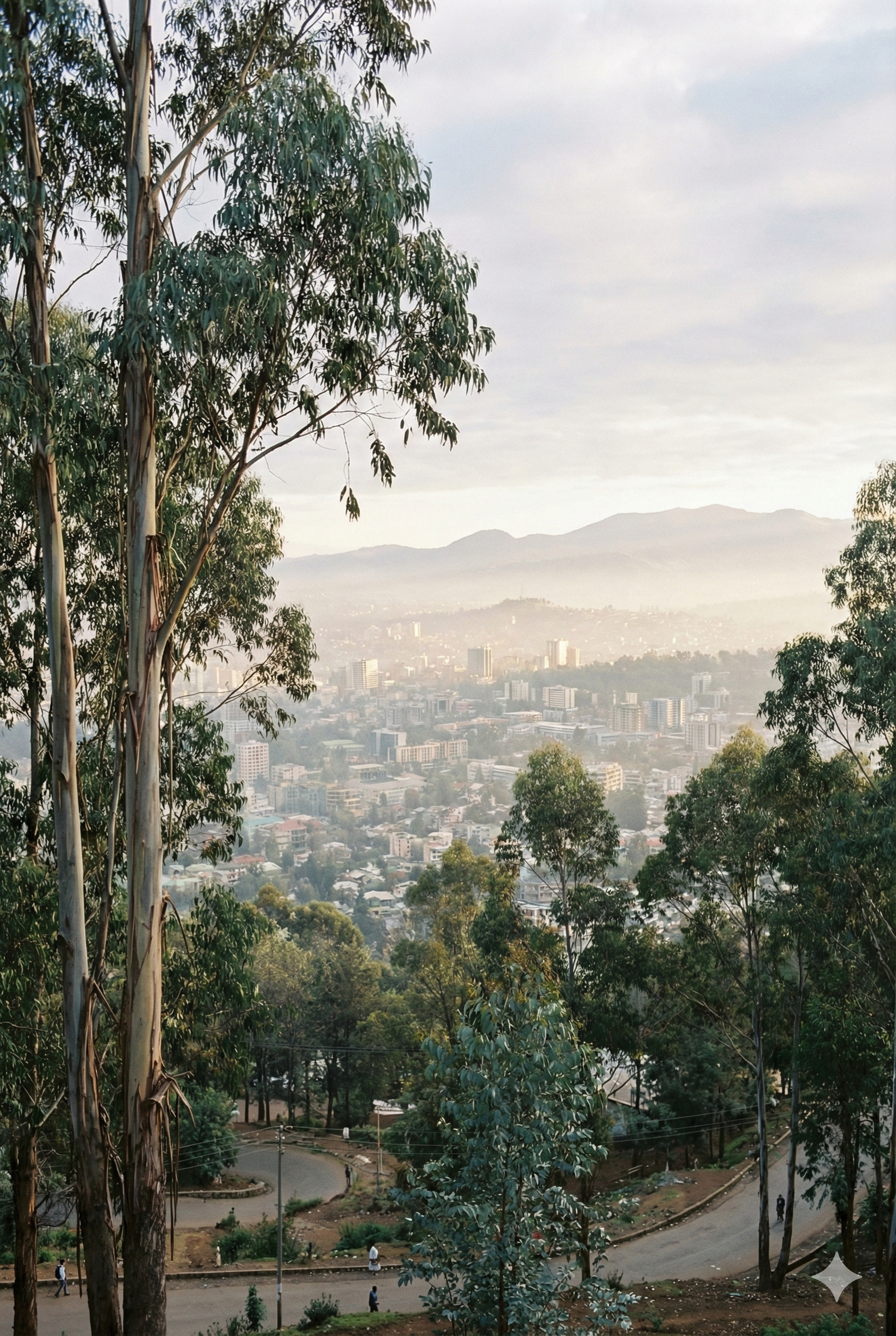
Entoto Hills
The Entoto Hills overlook Addis Ababa and are considered the birthplace of the modern capital. Covered in eucalyptus forests and dotted with historic churches, the hills offer sweeping views and a peaceful retreat from city life.
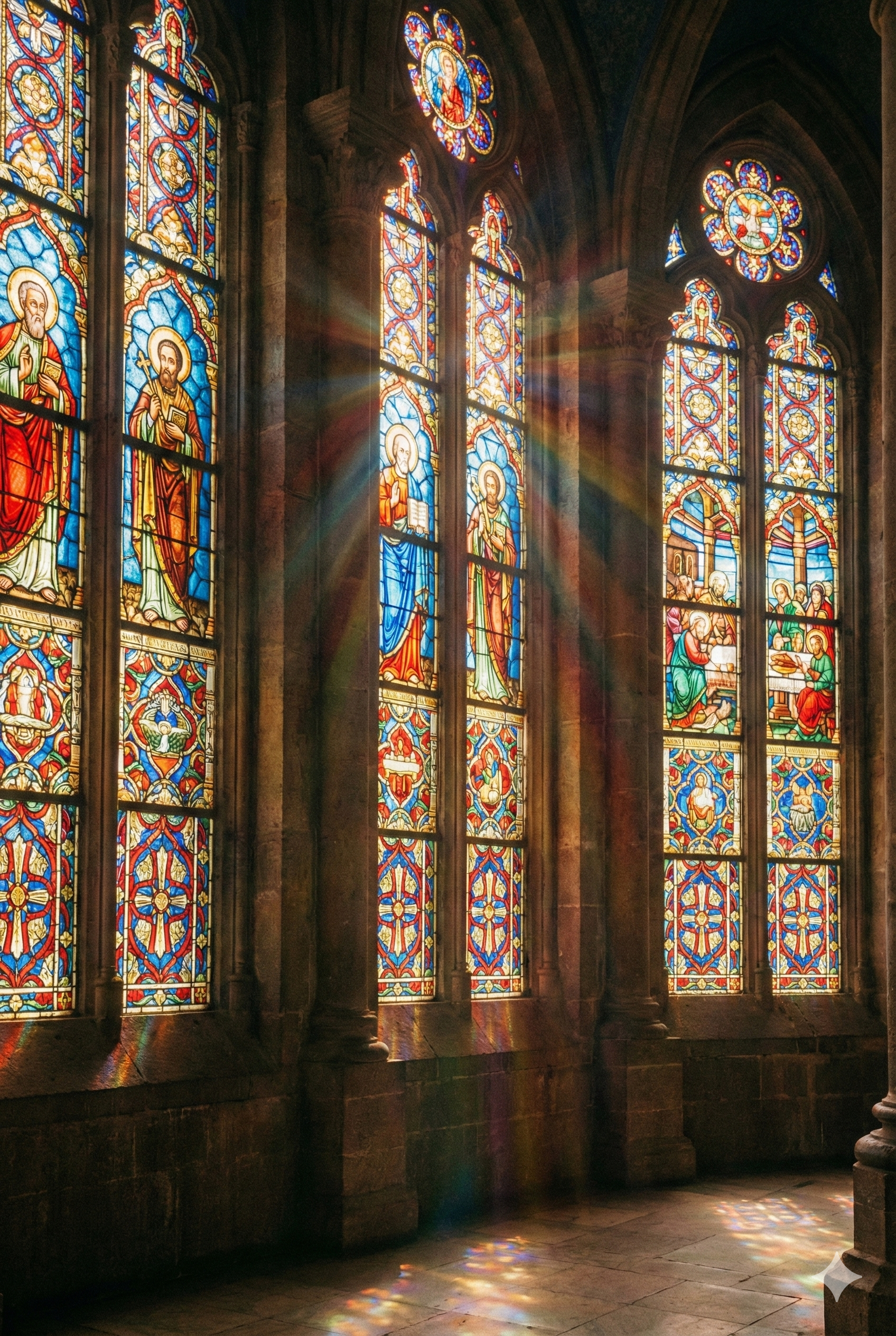
Holy Trinity Cathedral
Holy Trinity Cathedral is one of Addis Ababa’s most important religious landmarks. Known for its beautiful stained glass and imperial tombs, the cathedral blends spiritual significance with striking architecture.
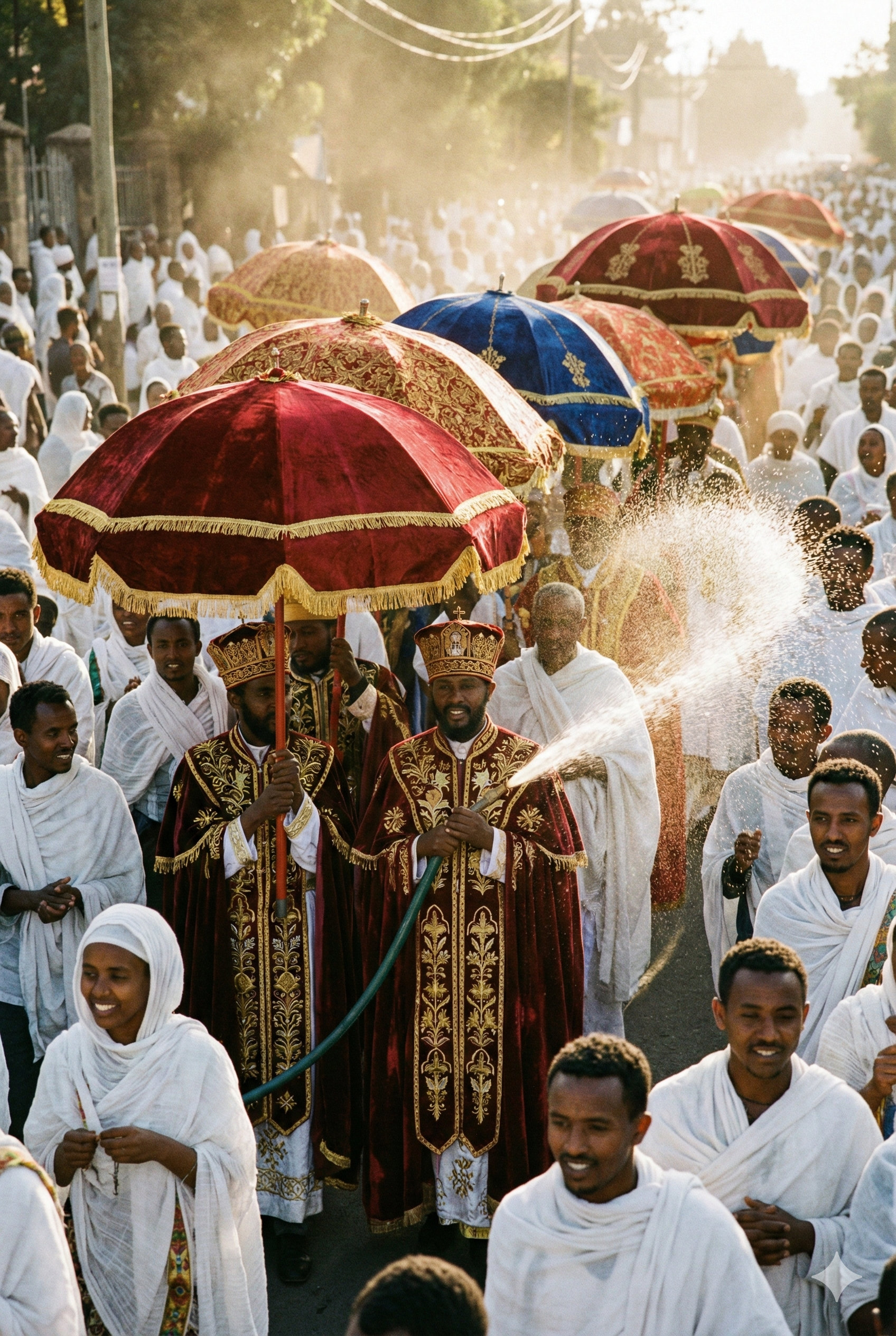
Timket Festival
Timket is Ethiopia’s most colorful and celebrated religious festival, commemorating Epiphany. Marked by vibrant processions, music, and ritual reenactments, Timket offers visitors a powerful glimpse into Ethiopia’s living traditions and communal spirit.